
BMW X5 vs X3: Which is the better used car?
Published:
14.09.2026
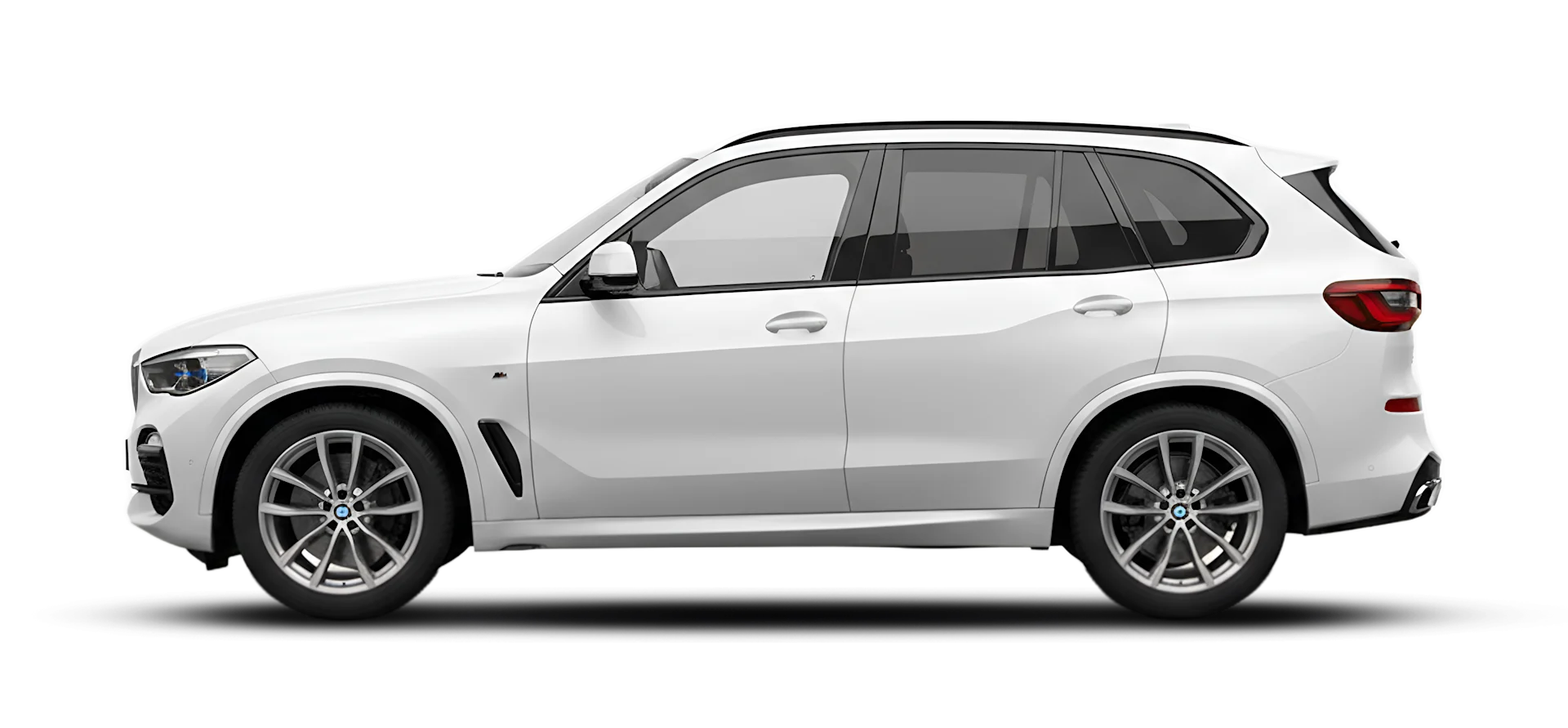
BMW X3 and X5 are both spacious and versatile SUVs, but they serve slightly different needs. The X3 is the more compact option of the two, while the X5 is larger and more spacious.
In this comparison, we'll explore the key differences between the BMW X3 and X5. We'll compare the price levels of these vehicles on the used car market and take a look at which type of driver each model is best suited for. Our goal is to make the decision easier when choosing between a used BMW X3 and X5.
What Is the BMW X-Series?
The BMW X-series is the brand's SUV lineup, which can also be described as crossovers — models that combine the characteristics of a passenger car and an SUV.
The X-series includes vehicles of various sizes, ranging from compact models to large and luxurious SUVs. As noted in the article about the BMW X-series model comparison, each model has its own distinctive features worth considering. Model names such as X1, X3, and X5 indicate their position within the lineup — the higher the number, the larger the vehicle.
The X-series also includes more coupe-inspired models, such as the X2, X4, and X6. "Coupe" refers to a sportier body style with a roofline that slopes toward the rear.
What Is the Difference Between the BMW X3 and X5?
The most obvious difference between the BMW X3 and X5 is size. The X3 is approximately 4,755 mm long and 1,920 mm wide, while the X5 measures around 4,935 mm in length and 2,004 mm in width, depending on the trim level. The X5 is therefore larger, which is also reflected in the cabin and cargo space it offers.
The X3's strength, on the other hand, lies in its more compact overall package. It still offers plenty of room, but its smaller exterior dimensions can make it more convenient for city driving and parking compared to the X5. Both models are available with all-wheel drive and plug-in hybrid options.
However, size is not the only factor that sets these models apart. Let's take a closer look at what the X3 and X5 are like and what kinds of needs they are best suited for.
The BMW X3 Is a Mid-Size, Versatile SUV
The BMW X3 sits between the smaller X1 and the larger X5 in BMW's SUV lineup.
The comfortable and versatile BMW X3 is well-suited for both everyday city driving and longer trips for 3–4 passengers. It's an appealing option when you want the spacious feel and elevated stance of an SUV without the massive size.
The BMW X3 also handles rough roads and light off-road driving well, but on soft and muddy terrain — especially on clay-like surfaces — its capabilities have their limits.
The BMW X5 Offers More Size and Space
The BMW X5 is the larger and more substantial of the two SUVs. It is also the pioneer of BMW's crossover lineup.
The current X5 is nearly five meters long, and for example the X5 xDrive50e plug-in hybrid offers 500–1,720 liters of cargo space. In terms of size, the X5 is a particularly compelling option when you need plenty of passenger and cargo space along with the feel of a full-size SUV.
The range of used X5 models is wide. Options include diesel and gasoline engines as well as plug-in hybrids. At the top of the X5 lineup sits the highly capable BMW X5 M.
Is the BMW X5 a Good Car?
Yes, the BMW X5 is especially well-suited for drivers looking for a spacious, versatile, and luxurious SUV for both everyday use and longer trips. As summarized on our X5 model page:
"BMW is a respected premium brand that offers a dynamic driving experience, high-quality craftsmanship, and advanced technology. Many choose BMW for its performance, comfort, and drivability."
When considering a used BMW X5, it's important to pay close attention above all to the condition of the individual vehicle, its service history, mileage, and equipment, as there are significant differences between generations, model years, and engine variants.
Why Is the BMW X3 Such a Popular Choice?
The BMW X3's strength is its versatility. It offers the spaciousness typical of an SUV while being more compact than the X5. This is well captured on our BMW X3 model page:
"The BMW 3 Series is for many the quintessential BMW. It combines a sporty driving feel, a size that works well for everyday use, and high-quality craftsmanship."
As a used vehicle, the variety of model years, engine options, and powertrains adds to the appeal. In Saka's inventory, the X3 is available in diesel and plug-in hybrid versions, among others. This wide selection makes the X3 a strong contender for a variety of driving needs.
Which One Is Right for You — BMW X3 or X5?
Feature | BMW X3 | BMW X5 |
Size class | Mid-size SUV | Larger SUV |
Length | Approx. 4,755 mm | Approx. 4,935 mm |
Width | Approx. 1,920 mm | Approx. 2,004 mm |
Cargo space* | Up to 1,700 L | Up to 1,870 L |
Used price | Generally more affordable | Generally more expensive |
Best suited for | City driving and versatile use | Families and those needing lots of space |
*Capacity varies depending on trim level and powertrain.
The X3 is generally the natural choice if you want a spacious SUV but don't need the larger exterior dimensions of the X5. The X5, on the other hand, offers more size and is especially suited for buyers who place greater importance on interior space, towing capacity, or the characteristics of a full-size SUV.
What Is the Price Difference Between a Used BMW X5 and X3?
The price range for used BMW X3 and X5 models is wide. In Saka's current inventory, the X3 can be found for under €10,000 up to around €60,000, while X5 prices typically start at around €18,000 and climb above €80,000 for newer plug-in hybrid models.
The model name alone doesn't tell the whole story when it comes to price differences. When comparing, it's worth considering at least the model year, mileage, powertrain, engine variant, and equipment level. Let's take a closer look at the pricing for each model.
How Much Does a Used BMW X3 Cost?
We at Saka have several used X3 vehicles available across different price ranges. In our inventory, you can find options ranging from just under €8,000 to €60,000.
As you might expect, the most affordable cars are older and higher-mileage examples, while newer and lower-mileage vehicles command significantly higher prices. For example, at the time of writing, 2022 X3 xDrive30e hybrids were available in the €33,000–€40,000 price range. The price of a used BMW X3 therefore depends heavily on the model year, mileage, and equipment. The used car inventory and prices change constantly, so it's worth checking the current availability directly in Saka's inventory.
How Much Does a Used BMW X5 Cost?
A used BMW X5 is typically more expensive than the X3, but prices vary considerably between individual vehicles here as well, since the model has been in production for a very long time and older examples have naturally dropped in value. Prices for X5 models we've had in stock have started at around €11,000 and the most expensive examples approach nearly €100,000. For instance, at the time of writing in September 2026, there was a vehicle in stock that was under a year old with fewer than 10,000 km driven, priced at €99,800.
The price difference between individual vehicles can therefore be tens of thousands of euros. When comparing similarly priced cars, it's worth looking beyond the trim level to also consider the model year, mileage, history, and equipment.
Which Is Cheaper to Own — BMW X3 or X5?
Looking at the purchase price alone, the X3 is generally the more affordable option on the used market. Saka's current inventory illustrates this well — the X3's price range starts lower, and newer examples can also be found at significantly lower prices than comparable X5 models. When comparing vehicles of similar age, mileage, and equipment level, the X3 is a less expensive purchase than the X5.
However, the total cost of ownership cannot be determined based on the model alone. Costs are influenced by factors such as the engine and powertrain, driving volume, fuel consumption, insurance, tires, maintenance, and potential repairs. When comparing two used vehicles, it's worth evaluating them on an individual basis rather than by model alone.
Most Frequently Asked Questions About the BMW X5 and X3
In this article, we've covered the differences between the BMW X3 and X5, but since these models tend to raise a lot of questions in general, we'll also answer the most commonly asked questions about the BMW X3 and X5.
Is the BMW X3 a new model?
No. The BMW X3 was first introduced in 2003, giving it a history of over 20 years. The X3 has since been released in several generations, with the latest arriving on the market in 2024.
Where is the BMW X3 manufactured?
According to BMW Finland, the current BMW X3 is manufactured at BMW Group's Spartanburg plant in the United States.
Does the BMW X3 have permanent all-wheel drive?
Many BMW X3 models sold in Finland are equipped with BMW's xDrive all-wheel-drive system, which distributes power between the front and rear axles based on driving conditions. For example, the current X3 20 xDrive and X3 30e xDrive are both all-wheel-drive models.
What are the common problems with the BMW X3?
Potential issues with the BMW X3 depend heavily on the generation, engine, powertrain, and model year. For example, the F25 and G01 generations differ significantly in their engineering, so there is no single universal list of common problems for the entire X3 model range.
When purchasing a used X3, it's best to check the specific vehicle's service and accident history, overall condition, and any potential repair needs. A more detailed assessment should be based on the specific engine and model year in question.
What are the most common problems with the BMW X5 hybrid?
Potential issues with BMW X5 plug-in hybrids vary by trim level and model year. Particular attention should be paid to the condition of the high-voltage battery, the charging system's functionality, and the vehicle's electrical systems. Some X5 plug-in hybrids have also been subject to recalls related to the high-voltage battery.
What engine does the X5 have?
The BMW X5 has been produced with numerous engine variants over the years. The current lineup includes mild-hybrid combustion engine versions, a plug-in hybrid, and powerful M models.
For example, the current X5 xDrive50e plug-in hybrid features a 3.0-liter inline six-cylinder gasoline engine paired with an electric motor, producing a combined output of 489 horsepower. When searching for a used X5, always check the engine variant in the vehicle's details, as Saka's inventory includes diesel, gasoline, and hybrid models from several different generations.
Summary: BMW X3 or X5 Used?
The BMW X3 and X5 offer many of the same qualities, just on a slightly different scale.
The right choice depends above all on your own driving needs and what kind of car you're looking for. When choosing a used vehicle, it's worth comparing not just the model but also the model year, mileage, powertrain, equipment, service history, and overall condition of the vehicle.
If you're still unsure which car is right for you, our sales team is happy to help you compare your options. Get in touch with our knowledgeable car sales team and visit your nearest dealership for a test drive!
Sources
Read related topics
To help with your selection