
Volvo XC60 used – experiences and things to check when buying
Published:
13.09.2026
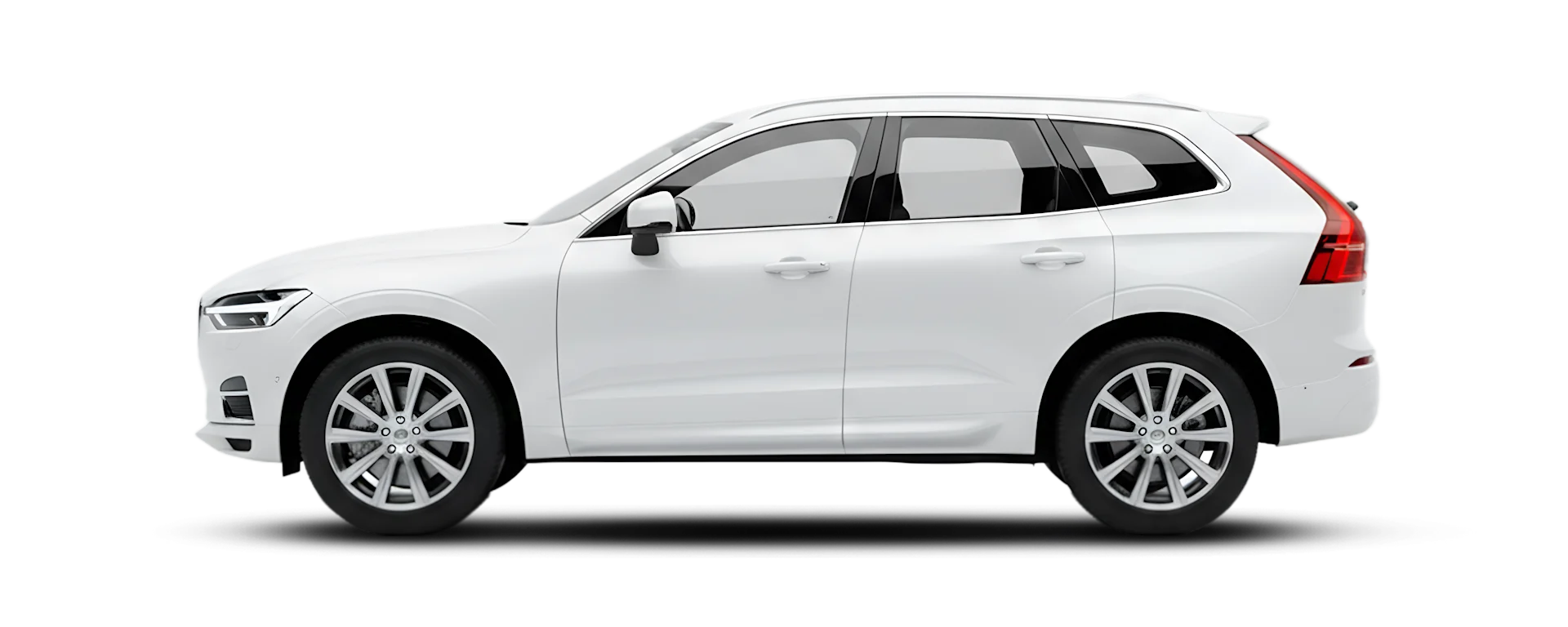
The Volvo XC60 is a popular used premium SUV that has been produced in two generations with several gasoline, diesel, and hybrid powertrains. When choosing a used XC60, the model year and engine version have a significant impact on what you should check on the vehicle.
In this article, we cover the Volvo XC60's ownership experiences, reliability, common problem areas, and what to check for different powertrains. We also look at the price range and maintenance costs of used XC60 vehicles.
Article Summary
- The XC60's strengths include ride comfort, a high seating position, and interior space.
- For diesel models, it's especially important to check the service history and the condition of the emissions systems.
- For plug-in hybrids, key items to check include charging functionality, the high-voltage battery, and warranty information.
- The performance of the automatic transmission, all-wheel drive, and suspension should be evaluated during a test drive.
- The XC60 is generally known as a quite reliable used car, and inspection data from Traficom supports this for several model years.
Is the Volvo XC60 Worth Buying Used?
A used Volvo XC60 is a great option, especially if you're looking for a comfortable, spacious premium SUV with a high seating position. The model's long production history also means a wide selection of used vehicles across different price ranges. The inventory includes older diesel and gasoline models as well as newer mild hybrids and plug-in T6 and T8 hybrids. A well-equipped used XC60 can be had for significantly less than the price of a new one.
What Are People's Experiences With the Volvo XC60?
Ownership experiences with the Volvo XC60 are mostly positive. Finnish user reviews particularly praise ride comfort and reliability, and the majority of reviewers recommend the model. Owners also highlight the comfortable seats, stable driving dynamics, and the fact that the XC60 performs pleasantly on long trips.
For older models, running costs receive slightly lower scores in reviews compared to ride comfort, which is understandable for vehicles in this size and power class. Running costs vary more depending on the engine version, mileage, and age of the vehicle, so choosing the right individual car can make a significant difference.
The XC60 is more compact than the XC90, making it easier to handle in the city and in tighter parking situations. You can read more about the differences between the models in our article Volvo XC60 and XC90 – What's the Difference?
Is the Volvo XC60 a Reliable Car?
The Volvo XC60 is generally known as a reliable car in Nordic conditions, and this perception is also supported by an analysis from Katsastustilasto.fi based on open inspection data from Traficom. The model's age-adjusted fault index is 61, compared to an average of 100 across all car models. This means the XC60 has had significantly fewer inspection-failing faults than the average vehicle of the same age. The data covers inspection years 2017–2025, and here are a few model year comparisons as examples:
- 2020 model year: 3.7 inspection-failing faults per 100 inspections, compared to an average of 10.4 for vehicles of the same age.
- 2019 model year: 6.3 vs. 10.8 for all vehicles of the same age.
- 2018 model year: 5.7 vs. 9.5.
- 2017 model year: 8.4 vs. 11.4.
- 2014 model year: 12.5 vs. 18.2.
- 2011 model year: 18.6 vs. 29.6.
However, there are significant technical differences between individual used XC60 vehicles. That's why, when choosing a specific car, it's worth paying attention to the model year, powertrain, service history, and overall condition.
What Should You Check on a Used Volvo XC60?
On a used Volvo XC60, you should check at least the following:
- service booklet and completeness of the service history
- engine and automatic transmission performance during a test drive
- any pulling to one side, vibrations, unusual noises, or other irregularities in driving behavior
- tire wear and brake condition
- air conditioning and heating functionality
- center display, cameras, sensors, and driver assistance systems
- AWD system performance and service history, if the vehicle is all-wheel drive
- equipment needed for your own use
- charging functionality and hybrid system, if the vehicle is a plug-in hybrid.
For more general information on what to check when buying a used car, you can read our guide Buying a Used Car – What Should You Keep in Mind?
Most Common Faults and Issues With the Volvo XC60
Potential problem areas with the Volvo XC60 depend heavily on the model year, engine, and powertrain. On older and higher-mileage vehicles, it's worth paying attention to automatic transmission performance, the condition of wear items in the suspension, and the AWD system on all-wheel-drive models.
The transmission should shift smoothly during a test drive, without noticeable delays, jerks, or unusual noises. On newer vehicles, items to check also include the center display, cameras, sensors, and other electronic systems. Any warning messages should be investigated before making a purchase decision.
What to Check on Diesel, Gasoline, and Plug-In Hybrid Versions?
Different powertrains call for different inspection priorities.
Powertrain | What to Check |
Diesel | service history, timing system service, DPF and AdBlue system functionality (if applicable) |
Gasoline | service history, smooth engine operation, and possible fluid leaks |
Plug-in hybrid | charging functionality, high-voltage battery condition and warranty, and the interaction between the electric motor and combustion engine |
For diesel models, the timing belt replacement interval depends on the engine version and model year, so the exact interval should be confirmed in the vehicle's service schedule. If you're considering a plug-in hybrid, you can find more tips in our article What to Keep in Mind When Test Driving a Plug-In Hybrid?
How Much Does a Used Volvo XC60 Cost?
In September 2026, Saka had approximately 90 used Volvo XC60 vehicles for sale. Prices varied significantly depending on the vehicle's age, mileage, powertrain, drivetrain, and equipment level. For example, a 2018 T8 plug-in hybrid was available for €18,990, while newer and lower-mileage examples were priced considerably higher, reaching nearly €60,000.
The wide price range is primarily due to the fact that the XC60 has been in production for a long time, and the lineup includes both older diesel vehicles and newer mild hybrids as well as T6 and T8 plug-in hybrids. When comparing used XC60 vehicles, the model year alone doesn't tell you much — it's also worth factoring in mileage, engine version, equipment level, and service history.
How Much Does It Cost to Maintain a Volvo XC60?
Maintenance costs for the Volvo XC60 depend heavily on the engine, model year, and mileage. In addition to routine scheduled maintenance, older vehicles may incur costs for items such as timing system service, brakes, tires, and suspension wear parts. All-wheel drive and hybrid powertrains add to the number of systems that require servicing.
You can read more about vehicle maintenance in our article Scheduled Car Maintenance – Why Is It Important?
Summary
The Volvo XC60 is an interesting used car option if you value comfortable driving dynamics, a high seating position, generous interior space, and a wide range of engine choices. The model offers a wide variety of options, from older diesels to newer mild hybrids and T6 and T8 plug-in hybrids, so it's worth choosing the right version based on your driving needs and budget.
When buying a used XC60, the most important things are to check the vehicle's service history, test drive the transmission and suspension, and pay attention to powertrain-specific inspection points. A well-maintained XC60 that suits your needs can offer a lot of car for significantly less than the price of a new one.
Sources
Read related topics
To help with your selection