
Found 68 cars







Showing 20 / 68 cars
All cars shown
Volkswagen Golf
The Timeless Icon of Compact Cars
Overview
Volkswagen Golf in Brief
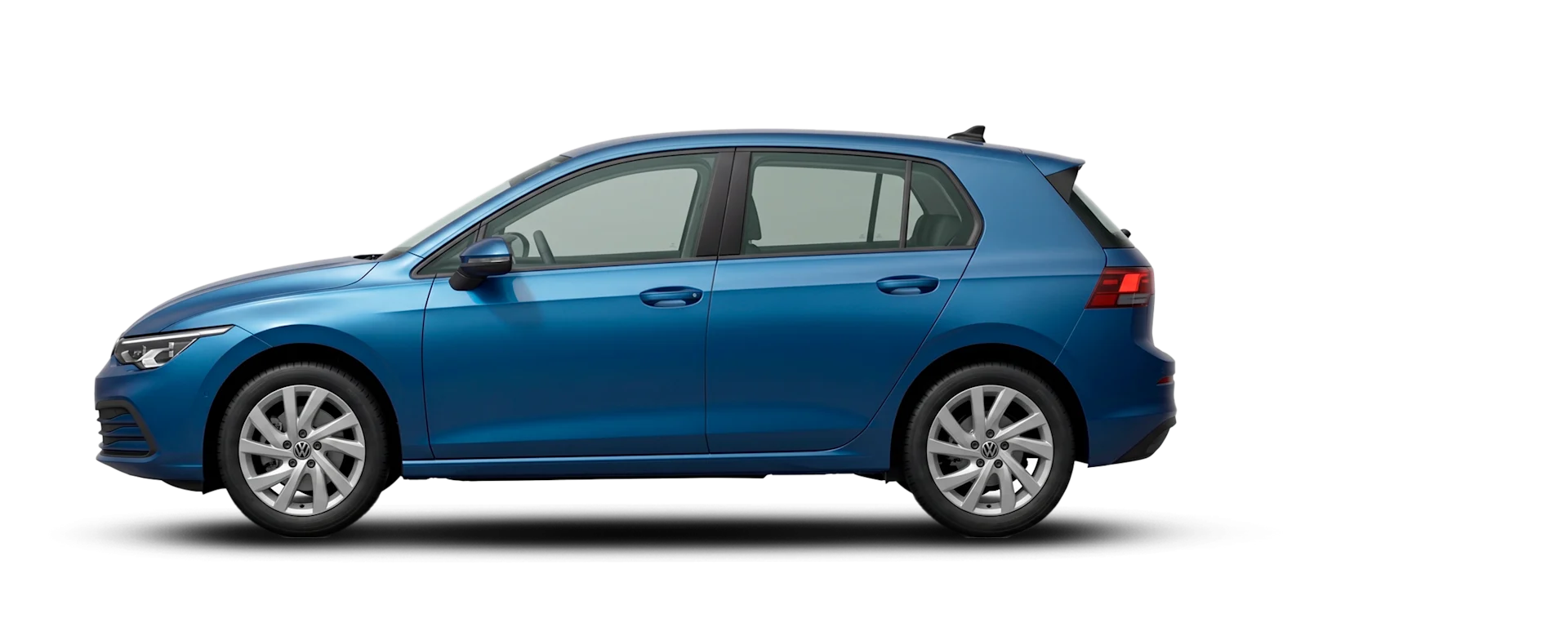
The Volkswagen Golf is one of the world's most recognized compact cars. The first Golf was introduced in the 1970s, and since then the model has maintained its position as a practical, high-quality, and versatile option for city driving, commuting, family use, and longer trips.
The Golf is known for its well-rounded package. It's not the largest, cheapest, or sportiest car in its class, but its strength lies in doing many things well. As a used car, the Golf appeals to buyers who want an easy, familiar, and quality vehicle without excessive size or a complicated driving experience.
The used Volkswagen Golf lineup includes several different powertrains and variants. Depending on the model year, you may find gasoline, diesel, mild hybrid, plug-in hybrid, and higher-performance R models. The Golf has also been produced as the Variant station wagon, which offers more cargo space than the standard hatchback. You can also browse all of Saka's used Volkswagen vehicles if you'd like to compare the Golf with other models from the brand.
Who Is the Volkswagen Golf Right For?
The Volkswagen Golf is a great fit for buyers who want a compact yet high-quality car for everyday use. It's a solid choice when you're looking for easy drivability, a sensible size, good availability on the used market, and a wide range of powertrain options. The Volkswagen Golf stands out particularly in these areas:
- Versatile use: The Golf works well in the city, for commuting, on highways, and for everyday family driving. The hatchback is nimble, while the Variant station wagon offers more cargo space.
- Wide range of powertrain options: Used Golfs are available in gasoline, diesel, mild hybrid, and plug-in hybrid versions. In addition, the GTI and R offer more sporty performance.
- Quality overall impression: For many buyers, the Golf is a familiar choice that emphasizes refinement, straightforward drivability, and good everyday comfort.
- Good availability on the used market: The Golf is a popular model, so the used car market typically offers a variety of model years, trim levels, and price ranges.
- A clear option for a wide range of budgets: Older Golfs can be affordable used cars, while newer plug-in hybrids, GTI, and R models fall into a higher price range.
Price of a Used Volkswagen Golf
The price of a used Volkswagen Golf depends primarily on the model year, mileage, powertrain, body style, transmission, trim level, service history, and the overall condition of the vehicle. Older and higher-mileage examples typically fall into a more affordable price range, while newer, low-mileage, well-equipped, and higher-performance models are considerably more valuable. The prices of Volkswagen Golf used cars that have been and are currently for sale at Saka typically range from approximately €5,900 to €45,000.
Model Years and Generations
- 1st generation, Golf I, 1974–1983: The first Golf replaced the Volkswagen Beetle as a more modern front-wheel-drive family car. Today, this version is primarily a hobby or classic car.
- 2nd generation, Golf II, 1983–1991: A larger and more practical Golf than its predecessor.
- 3rd generation, Golf III, 1991–1997: Safety and comfort improved, and the lineup featured a wide range of engine options.
- 4th generation, Golf IV, 1997–2003: Known for its quality fit and finish and clean design.
- 5th generation, Golf V, 2003–2008: A noticeably more modern Golf, with significant improvements in drivability, safety, and comfort. On the used market, you'll find gasoline and diesel models as well as GTI versions.
- 6th generation, Golf VI, 2008–2012: The "Mk6" is essentially a refined and more polished version of the 5th generation, with notable improvements in build quality and sound insulation. The technology remained largely unchanged, making it a fairly straightforward and familiar choice on the used market.
- 7th generation, Golf VII, 2012–2020: Currently the most popular generation on the used Golf market. The 7th generation was a major leap forward, transitioning to the lighter MQB platform, which improved interior space, drivability, and fuel efficiency. The lineup expanded to include a wide variety of powertrains, such as CNG, hybrid, and performance versions, offering significantly more choice than previous generations.
- 8th generation, Golf VIII, 2019–: The latest Golf generation, with an emphasis on a more digital cockpit, updated driver assistance systems, eTSI mild hybrids, plug-in hybrids, and updated GTI and R models. The 2024 facelift brought, among other things, a revised infotainment system and updated powertrains.
Read more about the model on the following tabs!
Technical Specifications
Body Styles
The Golf has been manufactured in several different body styles: the traditional hatchback is agile in the city, while the Variant station wagon offers more cargo space.
Engines and Powertrains
The Volkswagen Golf is an exceptionally versatile used car when it comes to powertrain options. The lineup may include gasoline, diesel, natural gas, mild hybrid, and plug-in hybrid models, as well as higher-performance GTI, GTD, and R versions depending on the model year. When shopping used, you'll most commonly come across these options:
- TSI gasoline models: Common gasoline versions of the Golf that are well suited for city driving, commuting, and mixed use. Smaller TSI engines are fuel-efficient, while more powerful versions offer greater performance.
- eTSI mild hybrids: Gasoline engines used in newer Golf models, where 48-volt mild hybrid technology supports the combustion engine and can reduce fuel consumption, especially in everyday driving.
- TDI diesel models: Well suited for high-mileage drivers and long highway trips.
- eHybrid and GTE: Plug-in hybrid models. The eHybrid emphasizes comfort and efficiency, while the GTE adds a sportier character.
- GTI, GTD, and R: Higher-performance Golf versions. The GTI is a sporty gasoline model, the GTD is a performance-oriented diesel model, and the Golf R is among the most powerful all-wheel-drive versions in the lineup.
- TGI natural gas models: In some model years, the Golf has also been available as a natural gas version.
Drivetrain
The Volkswagen Golf is most commonly front-wheel drive when purchased used. Front-wheel drive is well suited for everyday driving in Finland, both in the city and on the highway, and it makes the Golf easy and predictable to drive even in winter with the right tires.
All-wheel drive is significantly rarer in the Golf and, when found used, is primarily associated with Golf R models and certain special editions. The Golf R 4MOTION all-wheel drive provides added traction, performance, and confidence in slippery conditions, but it also means that maintenance costs, tire costs, and the need for technical inspections may be higher than with a standard Golf.
Dimensions, Cargo Space, and Towing Capacity
The Volkswagen Golf is compact in size but a practical car. The hatchback Golf is well suited for city driving and tighter parking spaces, while still offering sufficient room for four adults and everyday cargo.
The 8th-generation Golf hatchback (models produced from 2020 onward) is approximately 4,284 mm long, about 1,789 mm wide without mirrors, approximately 1,491 mm tall, and has a wheelbase of about 2,636 mm. Cargo space is typically around 380 liters, and with the rear seats folded, significantly more space is available. The station wagon model is longer than the hatchback and, depending on the model year, typically offers a cargo capacity of around 600 liters.
Towing capacity depends on the engine, transmission, model year, and the individual vehicle's technical specifications. The Golf can be a good fit for towing a light trailer or small boat trailer, but anyone needing a higher towing capacity should always verify the towing weight in the vehicle's registration and technical documents.
Driving Experience and Top Features
Driving Feel, Driver Assistance Systems, and Safety
The Volkswagen Golf offers a balanced and easy-to-drive experience, which is why it's a popular choice as a first car. The steering is precise, the suspension handles everyday driving well, and the car feels stable on the highway too. In base trim, the Golf isn't particularly sporty, but for many buyers that's exactly what makes it a pleasant everyday car.
The driving feel varies by version. A standard TSI or TDI Golf is comfort-oriented and easy to drive. The R-Line trim adds a sportier appearance and, in some cases, a firmer feel. The GTI and R are noticeably more performance-focused with a stiffer suspension setup.
Newer Golf models may include driver assistance features such as adaptive cruise control, lane assist, automatic emergency braking, traffic sign recognition, parking sensors, a rearview camera, and the Travel Assist system.
Top Features
The equipment level of the Volkswagen Golf varies significantly depending on the model year, trim level, and version. When comparing used Golfs, it's worth paying particular attention to features that affect everyday comfort, safety, and resale value. Useful features and things to check include, for example:
- Adaptive cruise control
- Travel Assist
- Lane assist
- Blind spot warning
- Rearview camera
- Parking sensors
- Matrix LED headlights
- Digital instrument cluster
- Navigation system
- Apple CarPlay and Android Auto
- Heated seats
- Heated steering wheel
- Three-zone climate control
- Power-adjustable driver's seat
- Tow hitch
- For plug-in hybrids: charging cables and charging functionality
Buyer's Guide
What should you check when buying a used Volkswagen Golf?
When buying a used Volkswagen Golf, the most important things to check are the condition of the individual car, its service history, and the maintenance items relevant to its powertrain. The Golf is a common model, so there are plenty of options available — but condition, trim level, and previous use can vary significantly. For any car you're interested in, make sure to check at least the following:
- service history and scheduled maintenance records
- timing belt or timing chain service needs depending on the engine version
- engine sound and any warning lights
- DSG transmission operation if the car is an automatic
- clutch condition in a manual transmission car
- charging functionality and charging cables in a plug-in hybrid
- brake condition
- suspension noises during a test drive
- tire and wheel condition
- electrical equipment and infotainment
- air conditioning operation
- body condition and any rust damage
- windshield, lights, and camera system condition
- tire condition and winter equipment functionality
Maintenance and running costs
The Volkswagen Golf is generally considered a reliable model, and its maintenance and running costs are typically quite reasonable compared to other cars in the same class. Spare parts are widely available, the service network is extensive, and the model's popularity makes servicing straightforward in most cases.
Costs do vary significantly depending on the version, however. Smaller gasoline models and base diesel variants tend to have modest upkeep costs. Potential issues with the DSG automatic transmission, hybrid technology, or the more powerful engines can potentially result in higher costs.
Gasoline, diesel, or plug-in hybrid?
Choose your powertrain as follows:
- Choose gasoline if you have a varied daily driving routine and want an easy all-around choice.
- Choose diesel if you drive a lot of long distances and rack up high annual mileage.
- Choose eTSI mild hybrid if you want a newer gasoline model with moderate fuel consumption.
- Choose eHybrid if you charge regularly and want an economical everyday car.
- Choose GTE if you want a plug-in hybrid but also a sportier character.
- Choose GTI or R if driving enjoyment and performance are your top priorities.
Hatchback or Variant?
The Volkswagen Golf hatchback is a great fit for buyers who want a compact, agile, and easy-to-park car. It's a solid choice for city driving, commuting, and smaller families where cargo space isn't a constant need.
The Golf Variant is the wagon version, offering a significantly larger cargo area and a longer body. It's better suited for families with children, dog owners, hobby enthusiasts, and those who make frequent trips to a cabin or vacation home. The Variant still feels like a Golf to drive, but offers more practicality.
Manual or DSG automatic?
The Volkswagen Golf is available with both a manual transmission and a DSG automatic. A manual suits buyers who want a simpler and often more affordable option. It can be a good choice in older models and more moderately priced examples. The DSG automatic makes the Golf effortless in city traffic, congestion, and on long trips. It's a desirable feature for many buyers, but when buying used, the transmission's operation and service history should be checked carefully.
Competitors and Comparison
Comparison Between Volkswagen Models
Volkswagen Golf is one of the world's most recognized compact cars. It sits in the Volkswagen lineup between the Polo and Passat, offering a balanced combination of practicality, driving comfort, and modern technology. Golf provides more space and travel comfort than the smaller Volkswagen Polo, making it a more practical option for many families. On the other hand, the larger Volkswagen Passat offers even more interior and cargo space, but the Golf is often more agile and easier to handle in city driving.
Smaller Volkswagens
Larger Volkswagens
Comparison to Competitors
When looking for a high-quality compact car, the Volkswagen Golf is often the benchmark against which others are compared. However, there are several other great options in the market:
- Audi A3: Offers even more premium feel and technical sophistication.
- BMW 1 Series: Known especially for its sporty driving feel and precise steering.
- Mercedes-Benz A-Class: Emphasizes luxurious interior finishing and futuristic technology.
- Volvo V40: An excellent choice for those who value Scandinavian safety and understated elegance.
What Do These Models Have in Common?
All these models represent the top tier of compact cars, combining agility, quality, and high safety standards. They are designed to serve even the most demanding driver who needs a car for versatile needs.
Summary
The choice between these often comes down to preferences. If you're looking for a perfect balance between practicality, reliability, and German quality, our experts believe the Volkswagen Golf is a strong candidate. In Saka's extensive selection, you'll find all these inspected used cars available for comparison.
Most Frequently Asked Questions – Volkswagen Golf
What is the cargo space size of the Volkswagen Golf?
The hatchback typically offers around 380 liters of trunk space, while the wagon version provides significantly more, at approximately 611 liters.
Is the Volkswagen Golf a good used car?
The Volkswagen Golf is generally a good used car, as long as the individual vehicle has a solid service history and its condition matches the mileage. When buying used, it's especially important to check the engine, transmission, suspension, electrical equipment, and the key maintenance points for the chosen powertrain.
Is the Volkswagen Golf reliable?
Yes, the Golf is known for its durable build and reliable engineering. When properly maintained, it will serve its owner for an exceptionally long time.
How does the Golf perform in winter?
As a German car, the Golf is designed to operate reliably even in cold conditions. Effective heating and modern stability control systems make it a steady and confident drive in winter.
Is parts availability good?
Yes, parts availability is excellent throughout the country, and servicing is easy at most repair shops, which helps keep maintenance costs in check.
What are the most popular trim levels of the Golf?
In the 4th through 7th generations, the trim levels were Trendline, Comfortline, and Highline. In the eighth generation, meaning models produced from 2020 onward, the trim levels are Comfortline, Style, and the sporty R-Line.
Which Volkswagen Golf engine should you choose?
The best engine depends on your driving needs. The TSI gasoline engine suits versatile everyday driving, the TDI diesel is ideal for high-mileage drivers, the eTSI is a good choice for those buying a newer gasoline model, and the eHybrid or GTE suits those with access to charging. The GTI and R are the right fit for buyers who want a more performance-oriented version of the Golf.
What is the difference between the Golf GTI and the Golf R?
The Golf GTI is a sporty front-wheel-drive gasoline model that emphasizes driving enjoyment and everyday performance. The Golf R is the more powerful, typically all-wheel-drive version of the lineup, where performance and grip play a significantly stronger role. Maintenance costs for the R model may be higher than those of a standard Golf.
Easy car deals at Saka!
Saka is Finland's largest used-car dealer, and our operations are built on strict quality control. We select only the best examples among used cars and make sure every car we sell lives up to our promises.
Every used car priced over €10,000 that comes up for sale at Saka undergoes an independent third-party condition inspection, and the key findings are compiled for the customer in the Rehti certificate – the new standard for used-car condition inspections.
Why buy a car from Saka?
- Thorough condition inspection and the Rehti certificate: Our used cars priced over €10,000 undergo an independent third-party condition inspection, and the batteries of electric cars and plug-in hybrids are tested with the Aviloo battery test. The key findings of the inspection are compiled for the customer in the Rehti certificate. Read more about the Rehti certificate, the condition inspection and the battery test.
- Flexible car financing: We offer ready-negotiated financing, letting you pay for your car easily in even monthly instalments – even without a down payment if needed.
- Trading in your car: Sell us your old car! We buy cars under 10 years old with under 225,000 km on the clock. When you buy a car from us, we'll take your old car in trade.
- Home delivery: We deliver the car of your dreams to a Saka showroom or straight to your front door anywhere in Finland. Read more about home delivery.
On our site you'll also find plenty of information on different car models and fuel types. On our media page you'll find, besides our sweepstakes, things like:
- Guides to buying an electric car, a hybrid car and a used car
- Test-drive videos, where experienced car journalist Anniina Pohjonen test-drives Saka's most popular cars
- Tip videos, where our car salespeople answer the most common questions about choosing a car
- Stylish vibe videos of the most popular car models
Interested in a Golf?
Get in touch!Contact one of our experts and find the perfect Golf for you.