
Found 15 cars







Showing 15 / 15 cars
All cars shown
Hyundai IONIQ 5
Bold design and effortless electric travel
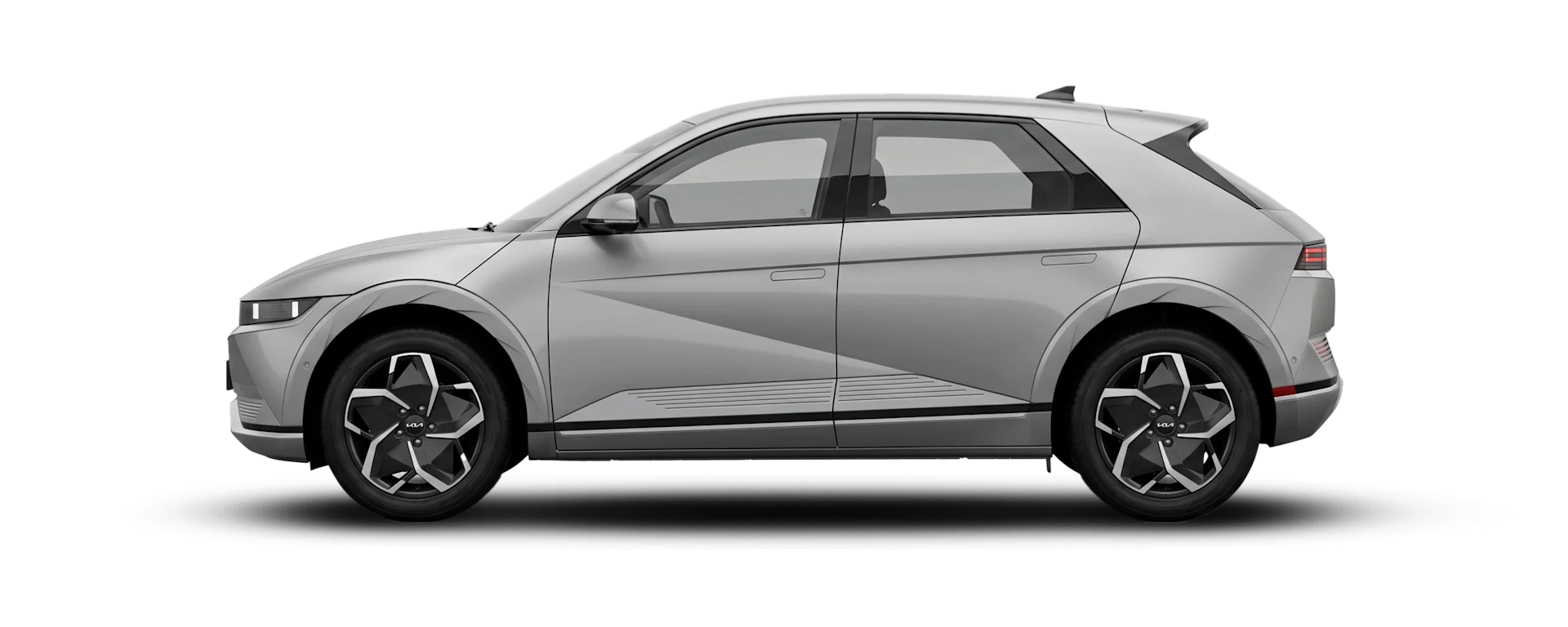
Overview
Hyundai IONIQ 5 in Brief
The Hyundai IONIQ 5 is a fully electric, spacious, and modern EV that combines fast charging, a roomy cabin, and a distinctive design. As a used car, the IONIQ 5 appeals to buyers who want an electric vehicle capable of longer trips while also valuing comfort, space, and easy everyday usability.
One of the IONIQ 5's key strengths is its fast charging capability. Thanks to its 800-volt electrical system, the car can take better advantage of high-power fast chargers than most, which means charging stops can be kept short even on longer journeys. That said, charging speed is always affected by the charger's output, battery temperature, state of charge, and weather conditions. The updated IONIQ 5 features a long-range battery of 84 kWh. According to Hyundai, its WLTP range is up to 570 km in rear-wheel drive configuration and up to 546 km in all-wheel drive.
When shopping for a used IONIQ 5, it's worth comparing models based on battery size, drivetrain, charging speed, trim level, and battery condition. You can also browse all of Saka's used Hyundai vehicles if you'd like to compare the IONIQ 5 alongside other models from the brand.
Who Is the Hyundai IONIQ 5 For?
The Hyundai IONIQ 5 is a great fit for buyers who want a spacious and comfortable electric car without needing it to be as sporty as possible—or, on the other end of the spectrum, minimalist. The model's strength lies in making EV ownership practical: the cabin is generous, and charging is fast. In everyday use, the car feels more like a large family car than a compact electric vehicle.
The Hyundai IONIQ 5 stands out in particular in these areas:
- Fast charging makes long trips easier: The 800-volt electrical system is one of the model's biggest advantages. When the charger, battery temperature, and conditions are right, charging stops can be significantly shorter than with many other EVs in the same price range.
- Exceptionally spacious cabin: The IONIQ 5 looks like a fastback from the outside, but on the inside it feels considerably larger. The long wheelbase, flat floor, and open cockpit make it an excellent choice for families and long-distance travel.
- Comfort over sportiness: The driving feel is calm, quiet, and smooth. It suits buyers who want an EV that's easy to drive and pleasant on long journeys—not a firm suspension or an athletic character.
- A great option as a first electric car: The IONIQ 5 is easy to understand and use. A clear driving position, good visibility, comprehensive driver assistance systems, and an effortless powertrain make it a natural choice even for buyers making the switch to electric for the first time.
- Rear-wheel or all-wheel drive to suit your needs: The rear-wheel drive IONIQ 5 is ideal for buyers who prioritize range and more moderate energy consumption. All-wheel drive is the better choice if you want extra traction in winter conditions and stronger performance.
- Features that make a real difference in daily life: When looking at a used IONIQ 5, pay particular attention to the heat pump, battery preconditioning, 360-degree camera, driver assistance systems, seat comfort, charging cables, and V2L functionality. These have a greater impact on everyday usability than the model year alone.
Price of a Used Hyundai IONIQ 5
The price of a used Hyundai IONIQ 5 depends primarily on the model year, mileage, battery size, drivetrain, trim level, charging equipment, battery condition, and overall condition of the vehicle. Cars with a smaller battery and higher mileage typically fall into a more affordable price range, while models with a larger battery, all-wheel drive, and comprehensive equipment are considerably more valuable.
Used Hyundai IONIQ 5 vehicles that have been or are currently listed for sale at Saka are typically priced between approximately €24,000 and €46,000. When comparing prices, it's worth looking beyond just the model year—battery size, drivetrain, charging equipment, range, service history, and features can all account for significant price differences between cars of the same age.
Model Years and Generations
The Hyundai IONIQ 5 is a relatively new model, so differences between model years relate more to the battery, equipment, software, and model updates than to entirely different generations.
- First model version, 2021–2024: The IONIQ 5 launched as a model built on Hyundai's E-GMP electric vehicle platform. Used examples typically feature either the 58 kWh standard battery or longer-range battery versions, with capacity varying by market and model year.
- Versions focused on longer range, approximately 2022–2024: Many used IONIQ 5 models emphasize a larger battery, rear-wheel or all-wheel drive, and better equipment. For these vehicles, it's especially worth comparing real-world range, charging equipment, and battery condition.
- Facelifted IONIQ 5, 2024–: The updated IONIQ 5 introduced a revised battery lineup, with a 63 kWh standard-range battery and an 84 kWh long-range battery. Battery capacity was increased from the previous 77 kWh to 84 kWh.
- Hyundai IONIQ 5 N, 2023–: The IONIQ 5 N is a higher-performance variant, suited for buyers looking for a somewhat more athletic character from their electric car.
Also check out our test drive video, where we take the Hyundai IONIQ 5 through its paces in practice: Saka's test drive videos.
Read more about the model on the following tabs!
Technical Specifications
Powertrains and Drive Options
The Hyundai IONIQ 5 is a fully electric vehicle, so there are no gasoline, diesel, or hybrid versions. When buying used, the key differences come down to battery size, range, drivetrain, and power output. The most common options you'll encounter on the used market are:
- 58 kWh: The smaller battery version, well suited for buyers whose driving is focused on city, suburban, and shorter daily trips.
- 72.6 kWh or 77.4 kWh: Earlier long-range battery versions that are highly relevant on the used market. These are a great fit for buyers who want better range and more flexibility for longer trips.
- 63 kWh: The standard-range battery introduced with the refreshed model, replacing the earlier smaller battery option.
- 84 kWh: The long-range battery for the refreshed model, where range and charging capabilities are among the lineup's key strengths.
- IONIQ 5 N: A higher-performance variant focused on power, driving dynamics, and a more sporty character.
Drivetrain Options
The model is available in rear-wheel drive and all-wheel drive configurations. When comparing used IONIQ 5 vehicles, always check the drivetrain in the individual car's details, as the same model year may be available in different battery and drivetrain combinations.
Dimensions, Cargo Space, and Towing Capacity
The Hyundai IONIQ 5 is a mid-size electric vehicle on the outside but remarkably spacious on the inside. It measures 4,655 mm in length, 1,890 mm in width, 1,605 mm in height, and has a wheelbase of 3,000 mm. The long wheelbase is one of the main reasons the cabin feels so roomy relative to its size class.
The cargo area is practical for family use, grocery runs, and luggage. Cargo volume varies by version and measurement method, but the IONIQ 5 also offers a front trunk (frunk), the size of which varies depending on the drivetrain.
Towing capacity depends on the battery version, model year, and trim level. Many long-range models support a braked towing capacity of up to 1,600 kg, but this figure should always be verified in the individual vehicle's registration and technical documents.
Driving Experience and Top Features
The model is well known for a quiet, smooth, and effortlessly comfortable driving experience typical of electric vehicles. It doesn't aim to be a primarily sporty EV — its strengths lie in comfortable cruising, good visibility, and a spacious cabin.
Driving Feel, Driver Assistance, and Safety
The IONIQ 5 feels stable and composed on the road. The instant torque of the electric motor makes acceleration effortless, and the low center of gravity gives the car a planted, confident feel. Newer and better-equipped models may include safety and driver assistance features such as adaptive cruise control, lane keeping assist, blind-spot monitoring, a rear-view camera, a 360-degree camera, parking assistance systems, and highway driving assist features.
Top Features
The trim level has a significant impact on comfort and convenience. When comparing used IONIQ 5 vehicles, you may come across different equipment levels, with differences showing up in driver assistance systems, seat comfort, displays, audio, and charging features. The most sought-after features on this model typically include:
- Heat pump
- Battery preconditioning
- All-wheel drive
- Power-adjustable seats
- Heated and ventilated seats
- Heated steering wheel
- Adaptive cruise control
- Lane keeping assist
- Blind-spot monitoring
- 360-degree camera
- Rear-view camera
- Parking sensors
- Panoramic or glass roof
- Head-up display
- Vehicle-to-Load (V2L) functionality
- Tow hitch
- Apple CarPlay and Android Auto
- Charging cables
Buyer's Guide
What should you check when buying a used Hyundai IONIQ 5?
When buying a used Hyundai IONIQ 5, the most important thing is to make sure that the battery condition, charging, features, and overall condition of the car match its mileage. The IONIQ 5 is a modern electric vehicle, so in addition to the standard checks, buyers should pay special attention to aspects specific to electric vehicle ownership. When purchasing the car, it's worth checking:
- service history and software updates
- battery condition and range (SoH value)
- AC and DC charging functionality and charging cables
- battery preconditioning and heat pump operation, if equipped
- brake condition and potential rust
- tire condition and tire size
- suspension noises during a test drive
- electrical features and infotainment
- driver assistance systems functionality
- air conditioning and heating system
- trailer hitch use and condition
- any warning lights or charging-related notifications
Maintenance and operating costs
The operating costs of the Hyundai IONIQ 5 are generally quite reasonable, provided that home charging is possible and the car suits your driving profile. An electric vehicle doesn't require oil changes the way a combustion engine car does, but tires, brakes, suspension, air conditioning, the 12-volt battery, and software still need attention.
Costs can be driven up particularly by larger tire sizes, all-wheel drive, and potential towing use. Brakes may wear more slowly thanks to regenerative braking, but limited mechanical use can also cause rust or seizing if the brakes aren't used regularly.
Home charging generally makes the model more affordable and convenient to operate. If the car is charged primarily at public fast chargers, operating costs and day-to-day convenience will depend more on the charging network, pricing, and your typical driving routes.
Smaller or larger battery?
A smaller battery can be a good choice if your daily driving is short, home charging is available, and purchase price is an important factor. It suits a buyer who doesn't frequently take long trips or doesn't need the maximum possible range.
A larger battery is generally the smarter choice if you drive a lot on highways, take longer trips, or want more flexibility for winter driving. In U.S. conditions — and particularly in colder climates — cold weather, highway speeds, and heater use can significantly reduce range, so a larger battery provides greater peace of mind.
Rear-wheel drive or all-wheel drive?
The choice should be made based on your own driving needs. A rear-wheel drive IONIQ 5 suits a buyer who wants good range, a smooth driving feel, and the core benefits of an electric vehicle. An all-wheel drive model, on the other hand, suits a buyer who wants better traction in winter, more performance, and more confident handling in slippery conditions. All-wheel drive is especially appealing if you frequently drive on poor road surfaces or want stronger acceleration from your vehicle.
What does real-world range mean?
Real-world range refers to how far you can actually drive on a single charge in your own day-to-day use. It can differ from the official EPA-estimated range because consumption is affected by speed, temperature, tires, load, headwinds, road surface, heating, and driving style.
For the IONIQ 5, real-world range is one of the most important things for a buyer to evaluate. In winter, range can decrease noticeably, as is common with electric vehicles. Buyers who drive long distances should pay close attention to battery size, charging speed, battery preconditioning, and how well the car fits their typical driving routes.
During a test drive, it's worth checking the car's average energy consumption, battery charge level, and estimated remaining range. Even better is to compare consumption against your own usage patterns: in city driving, an electric vehicle can be extremely efficient, but on the highway, energy consumption increases noticeably.
Competitors and Comparison
Comparison Between Hyundai Models
- Hyundai IONIQ 6: A sleek electric car emphasizing aerodynamics, long range, and a lower sedan-style body.
- Hyundai Kona: A more compact SUV available in electric and gasoline versions, well suited for city driving and those looking for a smaller car.
- Hyundai Tucson: A spacious SUV available in gasoline, hybrid, and plug-in hybrid versions.
- Hyundai Santa Fe: A larger SUV emphasizing interior space, family use, and a stronger big-car feel.
Comparison With Competitors
- Tesla Model Y: An extremely popular electric car known for its powerful user interface, charging network, performance, and practical cargo space.
- Kia EV6: An electric car built on the same EV platform, with an emphasis on fast charging, a sportier design, and a modern interior.
- Volkswagen ID.4: A family-oriented electric car emphasizing practicality, straightforward drivability, and a spacious cabin.
- Skoda Enyaq: A roomy and practical electric car whose strengths include cargo space, family usability, and a well-rounded package.
- Nissan Ariya: A comfort-focused electric car emphasizing a quiet cabin, modern interior, and an electric powertrain.
- Ford Mustang Mach-E: A striking electric car with an emphasis on design, performance, and a distinctive driving experience.
Summary
The Hyundai IONIQ 5 is a strong choice for buyers looking for a spacious, fast-charging, comfort-oriented electric car. Its greatest strengths include 800-volt charging technology, a generous cabin, rear-wheel and all-wheel drive options, and excellent long-distance usability.
The Tesla Model Y, Kia EV6, Volkswagen ID.4, and Skoda Enyaq are the IONIQ 5's key competitors in the used electric car market. The IONIQ 5 stands out especially through its charging technology, sense of space, and distinctive design.
You can conveniently browse Saka's entire inventory on the used cars page, where you can view all available vehicles and easily compare your options. You can also find useful information about cars on the Saka homepage.
Frequently Asked Questions - Hyundai IONIQ 5
Is the Hyundai IONIQ 5 a reliable used car?
Yes, the model is generally considered a reliable electric vehicle based on both European reliability ratings and owner experiences. When buying used, however, it's always worth checking the battery condition, service history, and any potential infotainment system issues.
What is the real-world range of the Hyundai IONIQ 5?
Real-world range depends on battery size, drivetrain, temperature, driving speed, tires, and driving style. The IONIQ 5 with the larger battery is better suited for long trips, while the smaller battery may be perfectly adequate for city and commuter driving. In winter, range typically decreases, as is common with electric vehicles.
How fast does the Hyundai IONIQ 5 charge?
A key strength of the IONIQ 5 is its 800-volt charging technology, which enables fast DC fast charging with a compatible charger. Charging speed is affected by the battery's state of charge, battery temperature, charger output, weather conditions, and battery preconditioning.
Is the model available with all-wheel drive?
The model has been sold in both rear-wheel drive and all-wheel drive configurations. Prior to the 2024 facelift update, the Finnish lineup was all-wheel drive only, so older used vehicles are predominantly dual-motor AWD versions. With the facelift model, a rear-wheel drive version also became available.
How much cargo space does the IONIQ 5 have?
Cargo space is generous, at approximately 520–527 liters, and with the rear seats folded it expands to around 1,580–1,600 liters. In addition, there is a separate front trunk (frunk) under the hood for charging cables and other smaller items.
What is the ground clearance?
The base model's ground clearance is approximately 160 millimeters. Some users have noted that in snowy conditions, the ground clearance can be a limiting factor when driving through unplowed snow, so this is worth keeping in mind if the vehicle will be used frequently in challenging winter conditions.
What warranty does the Hyundai IONIQ 5 come with?
Hyundai's entire lineup comes with a five-year warranty with no mileage limit. In addition, the IONIQ 5's high-voltage battery has a separate eight-year or 100,000-mile warranty. When purchasing a used vehicle, it's worth checking how much warranty coverage remains.
What are the most common problems with the Hyundai IONIQ 5?
The most commonly reported issues involve occasional infotainment system crashes or sluggishness, as well as normal degradation of battery capacity over time and mileage. In cold weather, various sensors have in some cases reported faults that resolved once the vehicle warmed up. It's also worth checking for any open recall campaigns before purchasing.
How does the Hyundai IONIQ 5 compare to the Tesla Model Y?
The Hyundai IONIQ 5 and Tesla Model Y are both popular used electric vehicles, but their strengths differ. The IONIQ 5 emphasizes fast charging, comfort, a spacious cabin, and distinctive styling. The Tesla Model Y is particularly known for its efficient user interface, extensive charging network, performance, and practical cargo space. The choice comes down to whether you prioritize comfort and 800-volt charging technology or Tesla's software and charging ecosystem.
Is the Hyundai IONIQ 5 a good winter car?
The IONIQ 5 can be a great winter car, especially if it's equipped with a heat pump, battery preconditioning, and the right battery version for your needs. All-wheel drive adds extra traction in slippery conditions. Range decreases in winter, so battery size and charging options are worth considering before purchasing.
What should you look for during a Hyundai IONIQ 5 test drive?
During a test drive, it's worth checking the range, average energy consumption, charging functionality, brake feel, suspension noises, tire noise, air conditioning, heating system, infotainment, driver assistance systems, and any warning messages. For an electric vehicle, charging cables and the functionality of battery preconditioning are also important things to verify.
Easy car deals at Saka!
Saka is Finland's largest used car dealership, and our operations are based on strict quality control. We screen the used car inventory to select only the best vehicles and ensure that every car we sell meets our promises.
- Flexible car financing: We offer pre-negotiated financing that allows you to pay for your car in easy monthly installments – if needed, even without a down payment.
- Trading in your car: Sell us your old car! We buy cars less than 10 years old with under 225,000 km on the odometer, and we accept them as trade-ins when you upgrade to a newer car.
- Home delivery: We deliver your dream car to Saka dealerships or directly to your doorstep anywhere in Finland. Read more about delivery.
- Vehicle inspection: All of our used cars priced over 10,000 euros undergo a condition inspection by a third party. Read more about the condition inspection here.
- Battery test: The drive batteries of our cars are tested at Saka using the Austrian Aviloo battery test. Read more about the battery test here.
Interested in a IONIQ 5?
Get in touch!Contact one of our experts and find the perfect IONIQ 5 for you.